

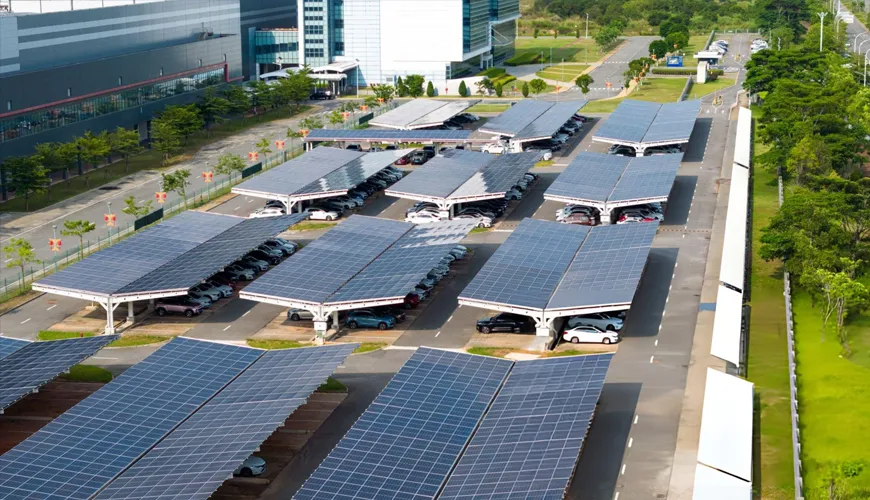
Global energy consumption is expected to increase by 50% by 2050, while traditional energy sources are having a negative impact on the environment. Green energy is not only the key to environmental sustainability, but also to economic sustainability.
Green Energy Types and Opportunities
1. Solar Energy
- Application in Urban Conditions:
- Economic Efficiency:
2. Wind Energy
- Usage Around the City:
- Advantages:
3. Biogas and Other Alternative Sources
- Energy from Waste:
Smart Grid: Intelligent Energy Networks
Main Components
- Smart Meters— Real-time energy consumption measurement
- Automated Management— Optimize energy distribution
- Energy Storage Systems— Storage of excess energy
Benefits
- Energy Saving— 20-30% energy savings
- Reliability- Reduce interruptions
- Flexibility- Rapid adaptation to demand changes
Green Energy Solutions for Central Asia
Regional Opportunities
- Solar Energy— 300 sunny days a year
- Wind Energy— Plains and mountainous areas
- Hydropower— Rivers and reservoirs
Practical Projects
- Tashkent Solar City— 100 MW solar power plant
- Samarkand Wind Farm— 50 MW wind power plant
- Regional Smart Grid— Regional smart energy grid
Investment Aspects
Initial Investment
- Solar Panels— $800-1,200 per kW
- Wind Turbines— $1,500-2,000 per kW
- Smart Grid Infrastructure— $1,000-1,500 per connection
Refund Period
- Solar Energy— 5-7 years
- Wind Energy— 6-8 years
- Smart Grid— 4-6 years
Conclusion
Green energy is not only an ecologically sound but also an economically viable solution. The Central Asian region has great potential for all types of green energy due to its natural resources.
GSC-Alliance works to implement green energy projects in the region, combining international standards and local conditions.