


“CENTRAL ASIA LOGISTICS HUB”: Smart Logistics Center — Central Asia's New Transport and Logistics Hub
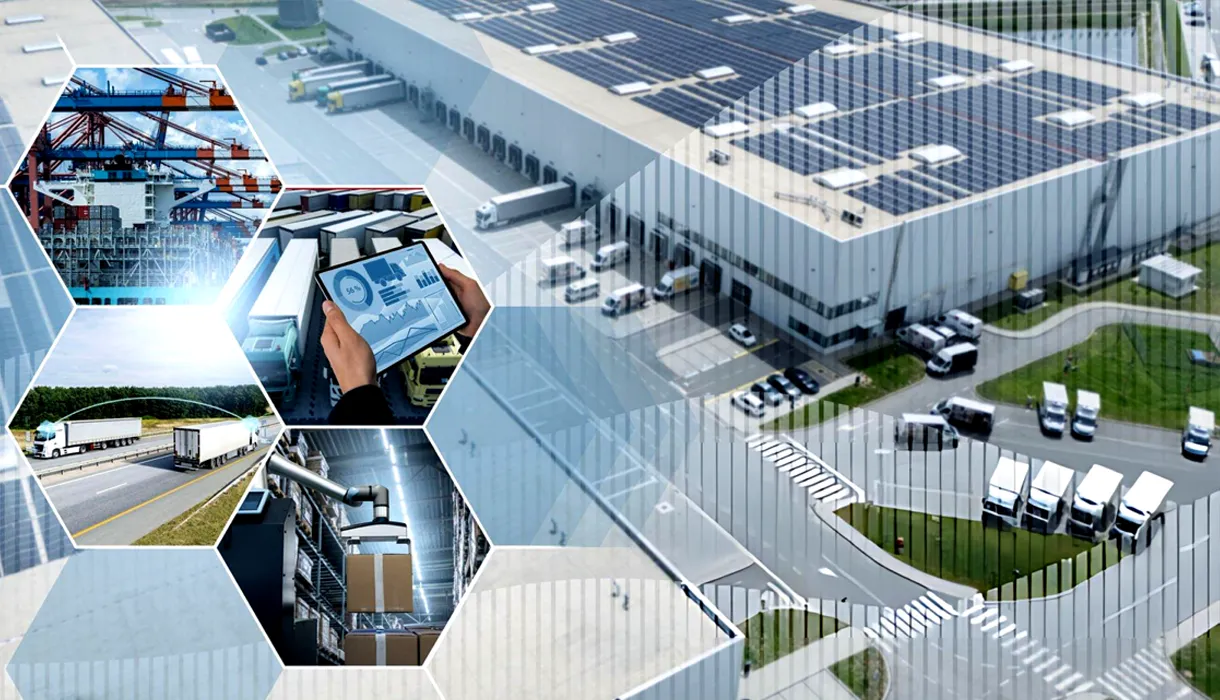
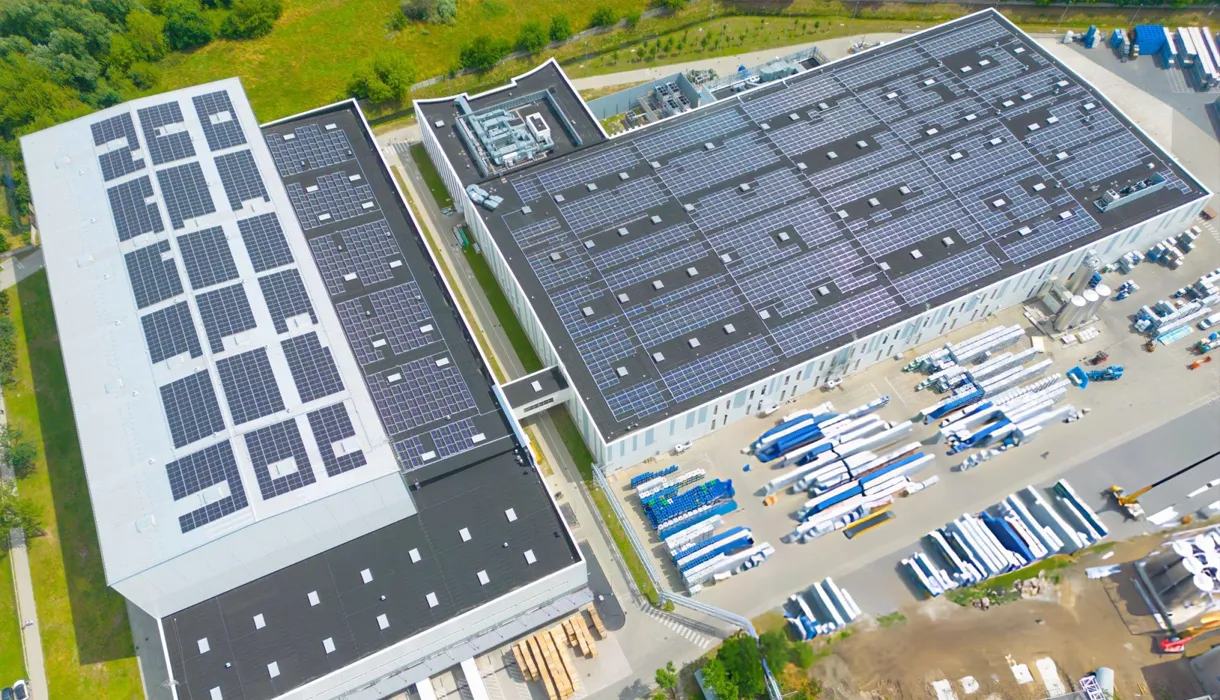
As Central Asia becomes an increasingly important link on the global trade map, the modernization of the regional logistics system has become one of the strategic priorities. The unique geographical strategic location between Europe, Asia and the Middle East allows Uzbekistan to become a crossroads for major cargo flows. The “Central Asia Logistics Hub” project, developed for this purpose, envisages the creation of a comprehensive logistics center in the Tashkent region, integrating multimodal transport systems, meeting international logistics standards, and equipped with high technologies.
The center, which is being built on an area of 300 hectares, is expected to become one of the largest logistics infrastructures in Central Asia, with an investment of $250 million, more than 3,500 new jobs, and an annual cargo turnover of 5 million tons.
1. Project Concept and Objectives
The main goal of the project is to establish Uzbekistan as a global logistics hub in Central Asia by increasing logistics efficiency in the region, reducing transportation costs, and ensuring the continuity of international trade flows.
Strategic goals include:
- Multimodal transport volume optimization;
- Reduce shipping time and improve transit efficiency;
- Improving the quality and speed of services through digital logistics systems;
- Expanding integration into international transport corridors.
2. Multimodal Infrastructure
2.1. Railway terminal
The railway terminal with an annual cargo turnover of 2.5 million tons will be the main layer of the project. 10 km of railway tracks, two container terminals and a ro-ro platform will allow covering all categories of cargo transportation. The terminal will create special technical zones for container reloading, wagon repair and international railway services.
2.2. Motor transport terminal
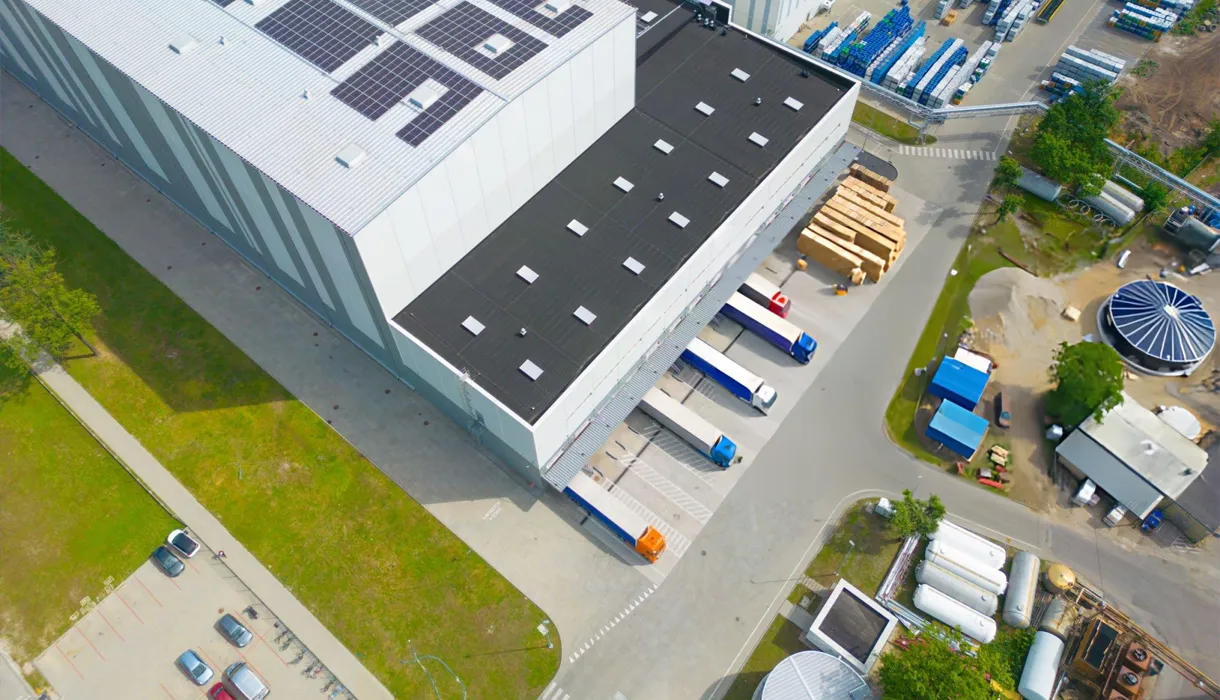
The automobile complex with an annual capacity of 1.5 million tons allows for optimal management of truck traffic. 200 hectares of cargo area, 50 unloading platforms, service centers, TIR carnet services increase the efficiency of road transport.
2.3. Air cargo terminal
The air terminal, with a capacity of 100,000 tons of cargo, is specialized for express cargo, refrigerated goods and dangerous goods. Its main advantages are 10,000 m² of modern warehouses, temperature control, security zones and infrastructure that meets international air cargo standards.
3. Intelligent Logistics Systems
3.1. Digital logistics platform
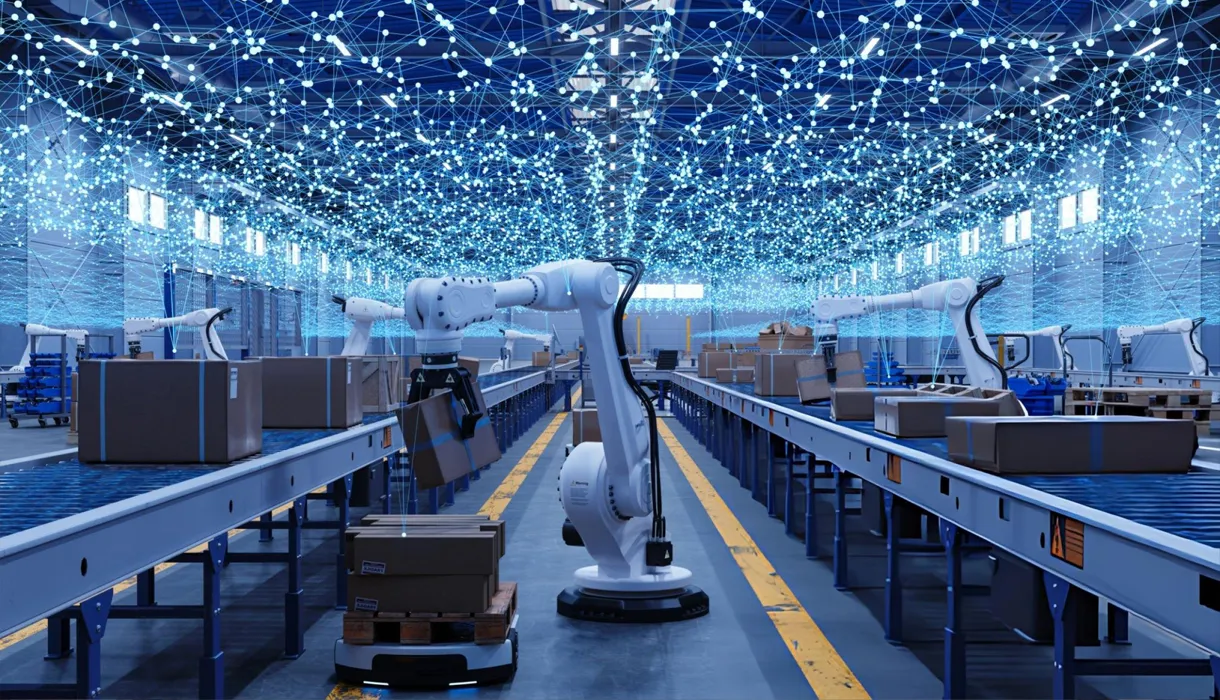
The logistics center's core management system streamlines transit processes through real-time cargo monitoring, automated documentation, and electronic payments. GPS/GLONASS, RFID inventory, and blockchain technologies ensure cargo transparency and security.
3.2. Automated Warehouse System (AS/RS)
— 30 automatic stacker cranes— 50,000 pallet spaces— 98% accuracy rate
This system reduces operating costs by robotizing storage, sorting, and rapid transfer of goods. AGV, robotic unloading, and automatic sorting systems allow for a 2–3x increase in production capacity.
3.3. Data center
The Tier III data center provides a high level of stability for logistics processes. 100 Gbps internet connection, cloud architecture and analytics modules allow for forecasting cargo flows, optimizing routes and analyzing costs.
4. Special Logistics Services
4.1. Refrigerated logistics
50,000 m³ of refrigerated storage capacity allows the transport of agro-export, pharmaceutical and food products to international standards. Multiple temperature zones, 24/7 monitoring and energy reliability ensure the safe storage of valuable cargo.
4.2. Dangerous goods area
The 20-hectare area, compliant with ADR and ISO 28000 standards, is designed for the storage of hazardous substances, chemical products and special cargo. Automatic fire extinguishing, separate access control and special warehouses fully cover safety requirements.
4.3. Valuable cargo zone
Biometric access, 24/7 video surveillance, alarm, special safes and insurance options provide premium security for high-value cargo.
5. International Integration
5.1. Connection with transport corridors
The hub will be integrated with the following global transport corridors:
- TRACECA: 15 days of time and 30% cost savings in the Europe-Asia trade flow;
- China–Europe railway: Fast delivery within 12–14 days.
5.2. Customs services
A single customs window, electronic clearance, and 24/7 customs service ensure fast clearance of cargo and minimize transit time. Special economic zone privileges significantly reduce logistics costs.
6. Business Model and Financial Indicators
6.1. Investment composition
The $250 million project will be financed by private investors (40%), international financial institutions (30%), the state (20%), and strategic partners (10%).
6.2. Sources of income
- Warehouse rent — $20 million/year
- Cargo processing — $15 million/year
- Logistics services — $25 million/year
- Value-added services — $10 million/year
6.3. Financial efficiency
- IRR: 20–25%
- NPV: $180 million
- ROI: 15–18%
- Payback period: 6–7 years
These indicators confirm the long-term sustainable profitability of the project.
7. Environment and Sustainability
7.1. Ecological solutions
A 15 MW solar power plant, electric vehicle charging stations, and energy-efficient lighting systems significantly reduce the center's environmental footprint. Water purification, waste separation, and packaging recycling are integral parts of the sustainable logistics model.
7.2. Social impact
The project will create 3,500 direct and 7,000 indirect jobs. Skills development, international certifications, and logistics training programs for local residents will strengthen the human capital of the region.
8. Project stages
Phase 1 (2024–2025) — basic infrastructure and railway terminal Phase 2 (2026–2027) — automated systems, digital platform Phase 3 (2028+) — expansion, international integration, innovative solutions
At each stage, cargo throughput will steadily increase, ultimately reaching a capacity of 5 million tons per year.
9. Partners and Residents
The logistics center will operate in partnership with global operators such as DHL, FedEx, UPS, Maersk, CMA CGM, DB Schenker, as well as transport companies from Uzbekistan, Kazakhstan, and Turkmenistan. International institutions such as the World Bank, ADB, and the EU will support the sustainable development of the project.
Conclusion
"Central Asia Logistics Hub"— A strategic mega-project that will revolutionize Uzbekistan's logistics infrastructure, built on the principles of digital technologies, multimodal systems, and sustainability. Developed by GSC-Alliance, this initiative will serve to transform the country into a regional transport hub, strengthen its export potential, and take integration into global trade networks to a new level.