

“SAMARKAND TOURISM CLUSTER”: Smart Tourism and Culture Center — Central Asia's Premium Cultural Tourism Destination
In the context of the intense competition in the global tourism industry, Uzbekistan's rich cultural heritage and natural potential create broad opportunities for bringing tourism to the ranks of economic sectors with high added value. From this point of view, the "Samarkand Tourism Cluster" project is emerging as a major strategic initiative aimed at forming a new generation tourism ecosystem in the city of Samarkand and its surroundings, integrating smart technologies, sustainable development principles, and historical and cultural heritage.
This project, which is being implemented on an area of 500 hectares, is expected to become one of the most innovative tourism clusters in Central Asia, with an investment of $180 million, more than 4,200 jobs, and the ability to host 1.2 million tourists per year.
1. Project Concept and Objectives
The main goal of the project is to transform Samarkand into a premium global tourism center through modern tourism infrastructure, smart management systems, and creative interpretation of cultural heritage. The concept is formed in three main directions:
- Digital tourism ecosystem— Optimizing the tourist experience through AR/VR technologies, mobile platforms, and smart services.
- Modern expression of cultural identity— reconstruction of historical monuments, creation of interactive exhibits and traditional art centers.
- Sustainable tourism model— green energy, an ecological transport system, and active participation of local residents.
2. Main Structural Elements of the Cluster
2.1. Smart Tourism Platform
The digital ecosystem is the most important component of the Samarkand cluster, providing integrated services tailored to the needs of the tourist at all stages. The “Digital Guest Experience” module includes functions such as AR/VR guides, real-time queue management, and personalized itineraries.
All hotels, restaurants, and attractions will be integrated through a single AI-based management platform, ensuring consistent service quality and optimal management of tourism flows.
2.2. Historical-cultural cluster
Revitalizing historical heritage through modern technologies defines the scientific and cultural basis of the project. A digital reconstruction of the city of Afrosiyob, accurate archaeological replicas, interactive performances and traditional craft centers present a new interpretation of the multi-layered history of Samarkand.
Cultural centers - the National Culinary Academy, art venues, and folk arts workshops - serve to strengthen the cultural and economic potential of the region.
2.3. Ecotourism zone
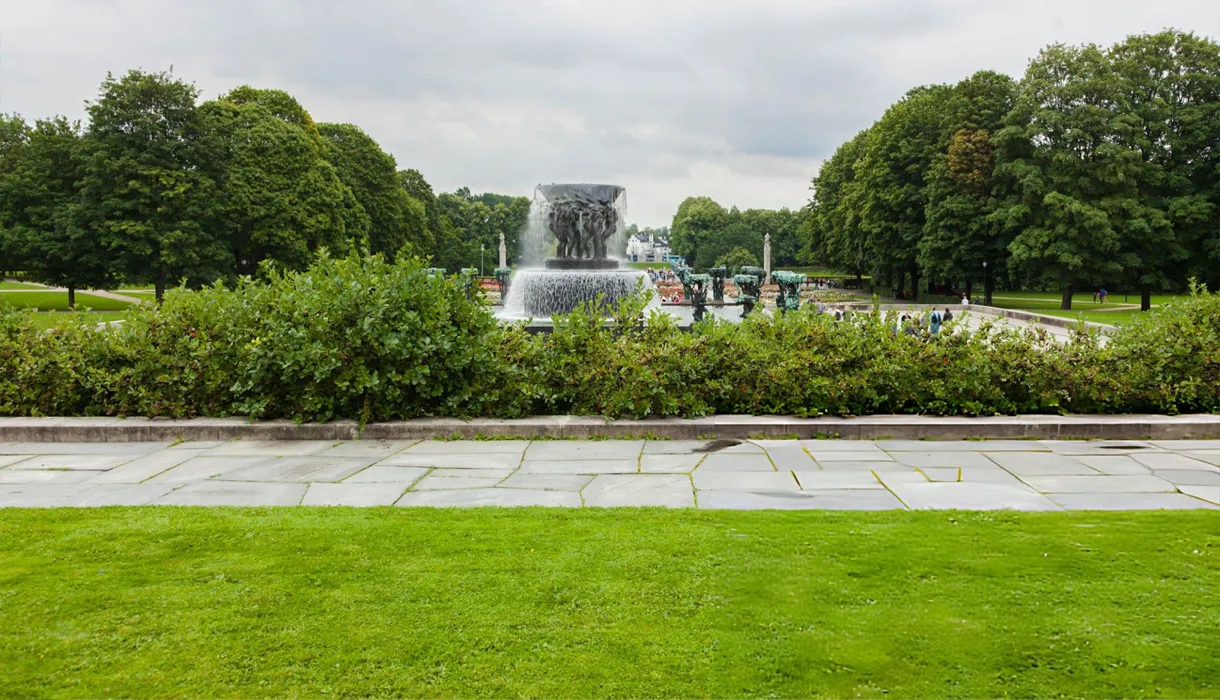
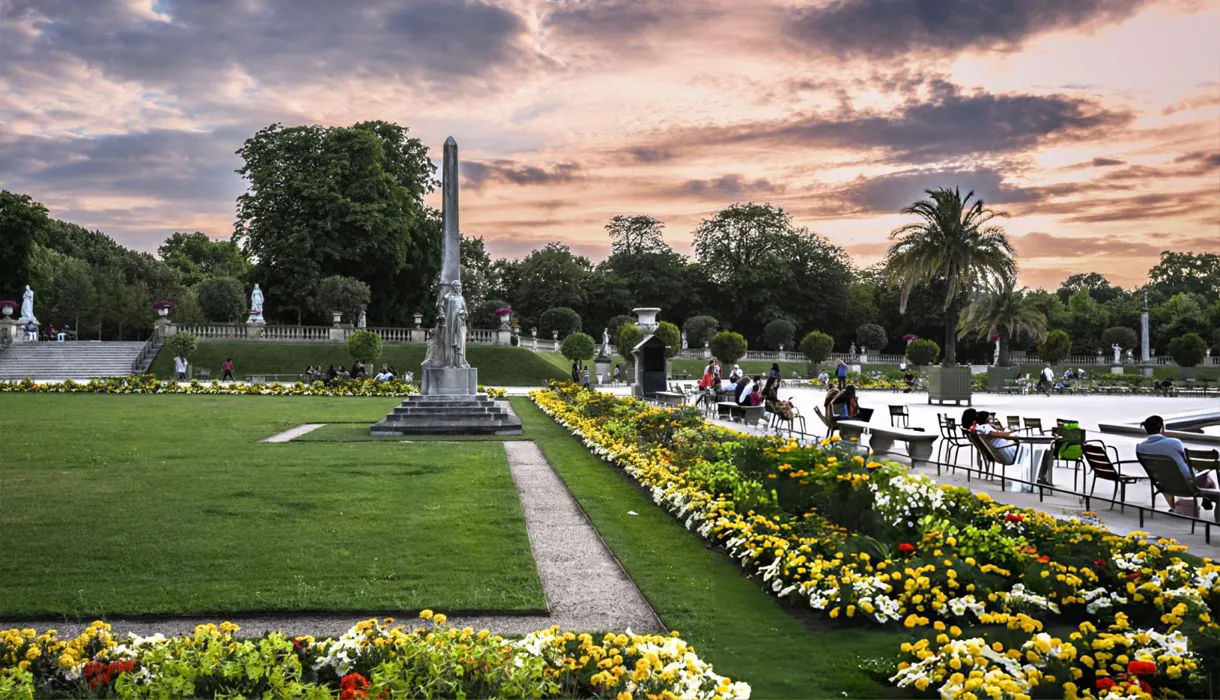
The 100-hectare green area is a prime example of the concept of environmental sustainability. A botanical garden, ecological trails, an artificial lake, water attractions, sports and recreation areas combine eco-tourism with modern infrastructure.
3. Innovative Tourism Services
3.1. Digital guidance system
The Smart Guide system offers a tourism experience tailored to a global audience through translation in 10 languages, reconstruction of historical scenes through AR, 360° virtual tours, and online tour packages.
3.2. Intelligent transportation
200 electric cars, bicycles and scooters will form the core of ecological transport. Real-time navigation, a traffic jam avoidance system, automatic parking reservations - ensure comfortable and smooth movement within the city.
3.3. Tourism Information Center
The analytics platform is based on big data technologies to optimize guest flow, predict market trends, and increase revenue. The CRM system forms a tourist profile and creates personalized offers.
4. Infrastructure Solutions
4.1. Hotel fund
The cluster will include a 5-star hotel with 300 rooms, 20 boutique hotels, and 15 eco-hotels. The total capacity of the rooms is 1,500 beds.
4.2. Food and gastronomy
Premium restaurants, national cuisines, teahouses, and food court zones serve the strategic direction of gastronomic tourism.
4.3. Trade and crafts
50 souvenir shops, 20 craft workshops, art galleries, and a daily market are an important component of local economic integration.
5. Cultural and Entertainment Infrastructures
A theme park, VR attractions, cultural evenings, concerts, and traditional performances will ensure the socio-cultural cohesion of the cluster. The development of health tourism will also be supported through spa and wellness centers.
6. Sustainable Tourism Model
6.1. Ecological solutions
Solar panels (5 MW), wind generators, energy-efficient buildings, rainwater treatment systems and waste separation significantly reduce the cluster's environmental footprint.
6.2. Cooperation with the local community
The project will create 70 percent of jobs for local residents, with many vocational programs planned in crafts, gastronomy, and guiding.
7. Investment analysis
7.1. Financial indicators
- Total investment: $180 million
- Payback period: 5–6 years
- IRR: 22–28%
- NPV: $200 million
7.2. Sources of income
Revenues of $150 million per year are expected through hotels, tour packages, attractions, and gastronomic services.
7.3. Cost structure
Capital expenditures are broken down into infrastructure, construction, technology, and landscape; operating expenses include personnel, utilities, and marketing activities.
8. Project stages
The project will be implemented in three phases from 2024 to 2028. Phase 1 will see the launch of infrastructure and a smart platform; Phase 2 will see the development of a cultural cluster and ecotourism zone; and Phase 3 will see the implementation of final construction works and international branding campaigns.
9. Marketing and Promotion Strategy
International digital marketing, influencer partnerships, content marketing, and participation in international exhibitions will serve to increase the cluster's global recognition. Integration with local tour operators, hotel chains, and government organizations will develop the domestic market.
Conclusion
"Samarkand Tourism Cluster"— is not only a major tourism project, but also a model of comprehensive regional transformation that combines cultural diplomacy, economic development and innovative technologies. The project, developed by GSC-Alliance, will serve to create a new premium tourism destination on a Central Asian scale, combining the historical heritage of Samarkand with modern tourism requirements.