

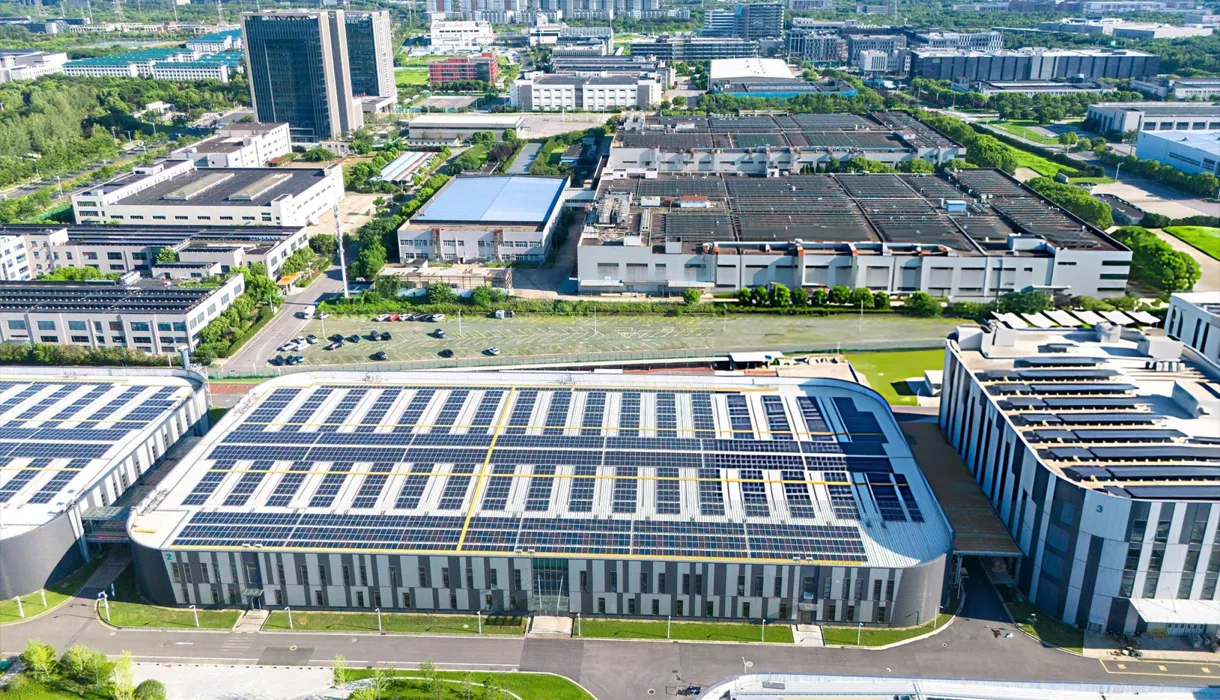


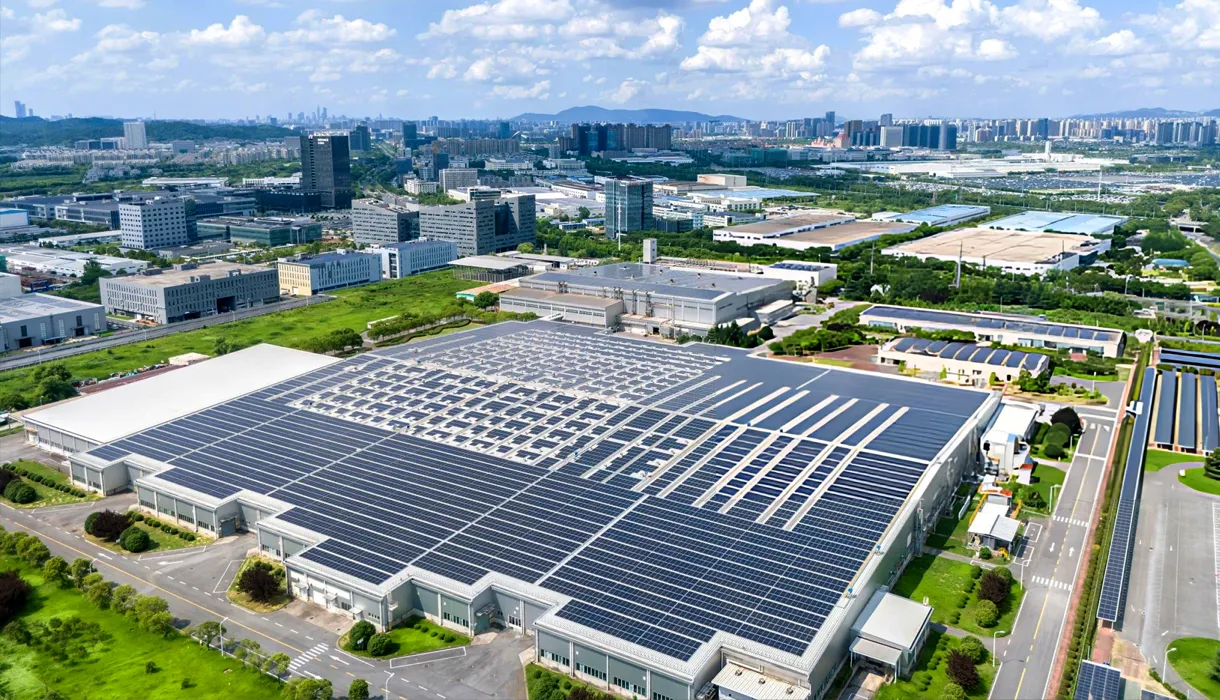
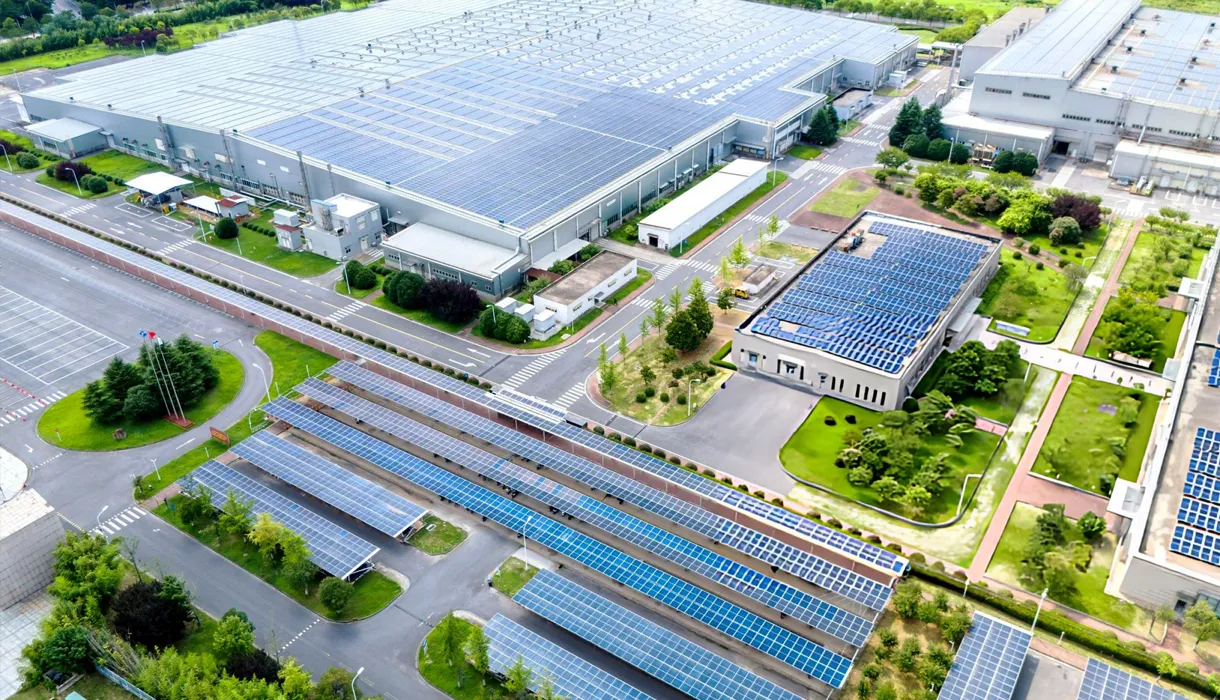
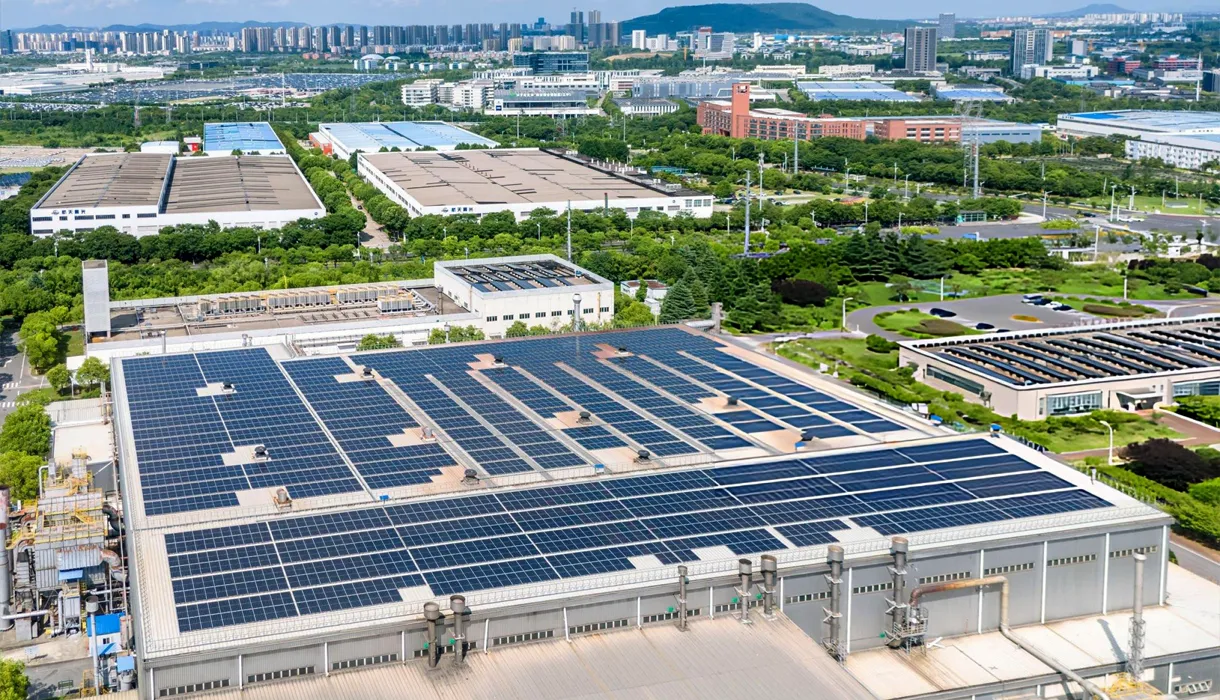
The Tashkent Industrial Hub project, planned to be built in Tashkent region, is expected to become one of the largest, most modern and smart industrial parks in the region. Developed by GSC-Alliance, the project aims to reduce imports, develop high-tech production, increase the share of exports, and form a new generation of industry.
This smart industrial zone, which is being created on an area of 250 hectares, will unite various areas of production into a single ecosystem: electronics, pharmaceuticals, food, building materials, logistics, automation and green technologies. When fully operational, the project is expected to create more than 5,000 jobs and reach an annual production volume of $ 500 million.
1. Project concept: modern industrial ecosystem
The main goal of the Tashkent Industrial Hub is to create a modern, environmentally friendly and high-tech production center. The project will provide investors with ready-to-use infrastructure, high-quality communications, a logistics network, and favorable conditions for starting a business.
The industrial park, located on an area of 250 hectares, will receive a total investment of $200 million and will have an export potential of 70%.
2. Strong manufacturing infrastructure
2.1. Energy and utilities
The industrial zone is provided with a 110 kV 100 MVA transformer substation, modern power grids and 10 MW backup diesel generators. A water system supplying 15,000 m³ of water per day, drinking and technical water treatment facilities and recycled water use technologies guarantee sustainable production.
2.2. Transport infrastructure
20 km of asphalt roads, 4 main entry points, special freight corridors and 3 km of industrial railway line make the area attractive from a logistics point of view. Two more cargo terminals and container platforms significantly simplify export-import processes.
2.3. Digital and communication systems
40 Gbps fiber-optic internet, full 5G coverage, and a data center with 24/7 service provide residents with a stable IT foundation.
3. Thematic production zones
The establishment of zones specializing in various areas in the industrial park creates a favorable environment for investors:
3.1. High-tech zone - 50 hectares
This area, designed for the electronics, IT, and telecommunications industries, has clean rooms, ESD protection, and high-power power supplies.
3.2. Pharmaceutical zone - 30 hectares
GMP-compliant production rooms, laboratories, refrigerated and freezer warehouses create an ideal environment for the production of drugs and medical products.
3.3. Food industry zone - 40 hectares
HACCP-certified workshops, large cold storage facilities, and logistics platforms support the production of processed, export-oriented food products.
3.4. Building materials zone - 60 hectares
Heavy-duty trucking routes, large warehouse areas, and direct rail connections provide a convenient location for large industrial enterprises.
4. Smart technologies and automated production
4.1. Industrial IoT ecosystem
Over 2,000 IoT sensors monitor equipment status, energy consumption, production efficiency, and safety processes in real time. Predictive maintenance technologies predict equipment failures in advance, reducing costs.
4.2. Robotics and automation
50 industrial robots, AGV robots and an automated warehouse management system ensure fast, accurate and waste-free production processes. AI-based quality control and supply chain systems ensure competitive product production.
4.3. Green technologies
A 20 MW solar power plant, waste-to-energy biogas plants, and energy-efficient lighting systems enhance the industrial park's environmental sustainability. A 5,000 m³/day water recycling system and rainwater harvesting facilities minimize the environmental footprint.
5. Logistics center and supply chain management
5.1. Large logistics center
The 25,000 m² center includes automatic stacker crane systems, RFID inventory, temperature-controlled warehouses and customs services, providing a one-stop solution for exporters in the entire logistics process.
5.2. Transportation solutions
The hub will operate a fleet of over 100 trucks, container shipping services, regular rail services, multimodal transportation and international express delivery services.
6. Business model and investment attractiveness
The IRR of an industrial park to be built with an investment of $200 million is 18–22%, and the NPV is $150 million. The project's payback period is 7–8 years.
The sources of income are as follows:– land and building rental — $15M/year– services — $8M/year– energy sales — $5M/year– logistics services — $7M/year
Capital expenditures are fully covered across infrastructure, construction, technology and design, with operating expenses estimated at $11 million per year.
7. Environmental safety and sustainable development
"Tashkent Industrial Hub" will be built on the principles of green industry. Waste recycling, hazardous waste separation, air and water monitoring, and noise control will ensure environmental safety.
Energy-efficient buildings that meet LEED standards, green spaces covering 30% of the area, and training and employment of local residents strengthen the social sustainability of the project.
8. Project phases (2024-2028)
Phase 1 (2024–2025):
– Infrastructure construction – Preparation of the first 50 hectares – Recruitment of 10 residents
Result:1,000 jobs, $100 million investment, $50 million production
Phase 2 (2026–2027):
– Construction of a logistics center – Expansion of territories – Opening of a technopark
Result:3,000 jobs, $150 million investment, $200 million production
Phase 3 (2028+):
– Innovation Center – International Certification – Complete Modernization
Result:5,000+ jobs, $200 million investment, $500 million production
9. Residents and partners
Residents are planned to include manufacturers of electronics, automotive components, pharmaceuticals, food, and building materials.
Strategic partners:– Siemens — automation– Cisco — network infrastructure– IBM — AI and data analytics– World Bank, ADB, and UNIDO — financial and technical support
Conclusion
“Tashkent Industrial Hub” is a major strategic project aimed at creating a new model of industry in Central Asia, which will not only establish export-oriented production, but also form a modern industrial ecosystem that combines the digital economy, automation, environmental sustainability and technological innovation. When the project is fully operational, the industrial potential of Uzbekistan will significantly increase, and a new economic center will emerge for the region.