




CENTRAL ASIA URBAN DEVELOPMENT CORRIDOR: Central Asia's New Urban Futurism
Today, the world is experiencing a period of rapid urban growth and technology is penetrating every aspect of urban life. Central Asia is no exception. On the contrary, for the first time in its history, the region has embarked on a large-scale and collaborative urban mega-project.
The Central Asia Urban Development Corridor is not just an infrastructure project. It is a strategic initiative to create a new economic, technological and cultural space connecting five major cities in Central Asia. It is expected to form a continuous chain of smart and sustainable cities from Tashkent to Almaty, from Samarkand to Bishkek and Dushanbe.
A New Space Connecting Cities
At the heart of the project are high-speed rail, smart roads and fully digitalized transport management. With the help of modern trains with a speed of 300 km/h, the distance between cities will be reduced not by half, but by three times. For example, routes that currently take a lot of time to travel will now be covered in just 2 hours.
This means not only the free movement of people, but also the advancement of business, logistics, tourism, and cultural exchange to a new level.
Each city has its own history, its own role
The project aims not to mold cities into a uniform shape, but rather to create specialized urban ecosystems based on their natural advantages.
Tashkent — the heart of governance and innovation
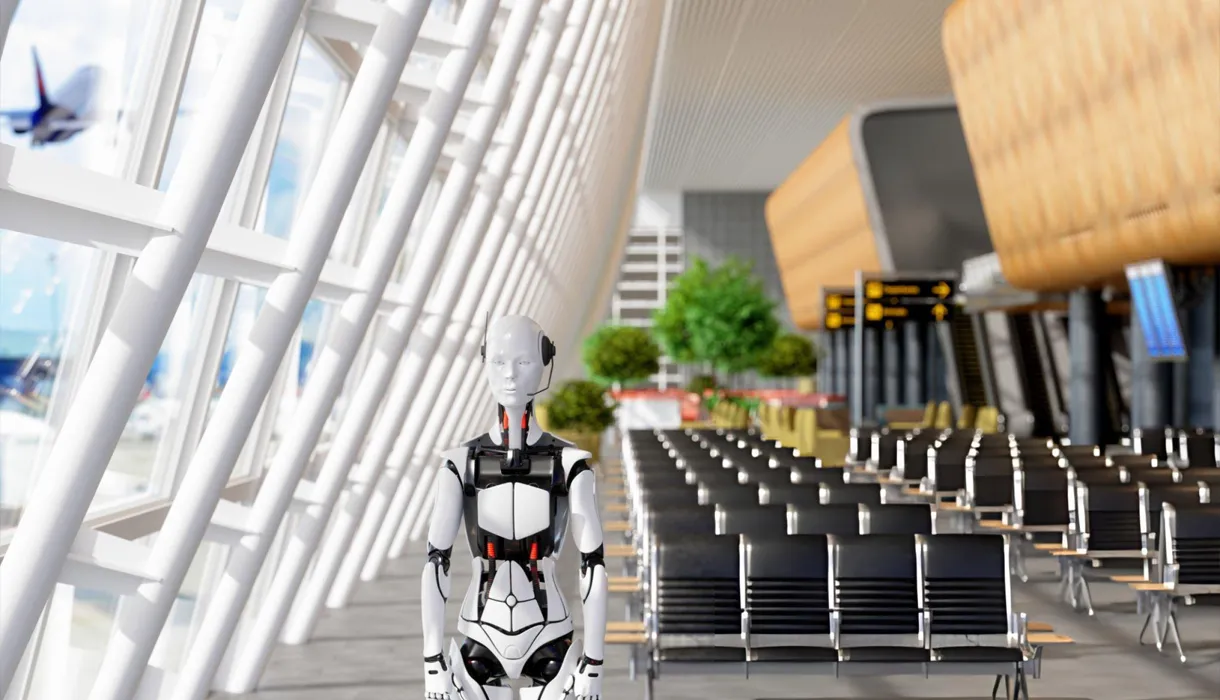
Digital government, artificial intelligence-based governance, 5G coverage, and the Smart City Center will make Tashkent the most advanced governance platform in the region.
Samarkand is a center of cultural heritage and smart tourism
Digitized historical monuments, eco-tourism clusters, and smart energy solutions based on AR/VR technologies will create a new, modern look for this ancient city.
Almaty — a center of business, logistics and technology
Drone delivery systems, blockchain-based logistics chains, smart business districts - Almaty is on its way to becoming the most innovative economic center in the region.
Regional energy and ecology - an integrated approach
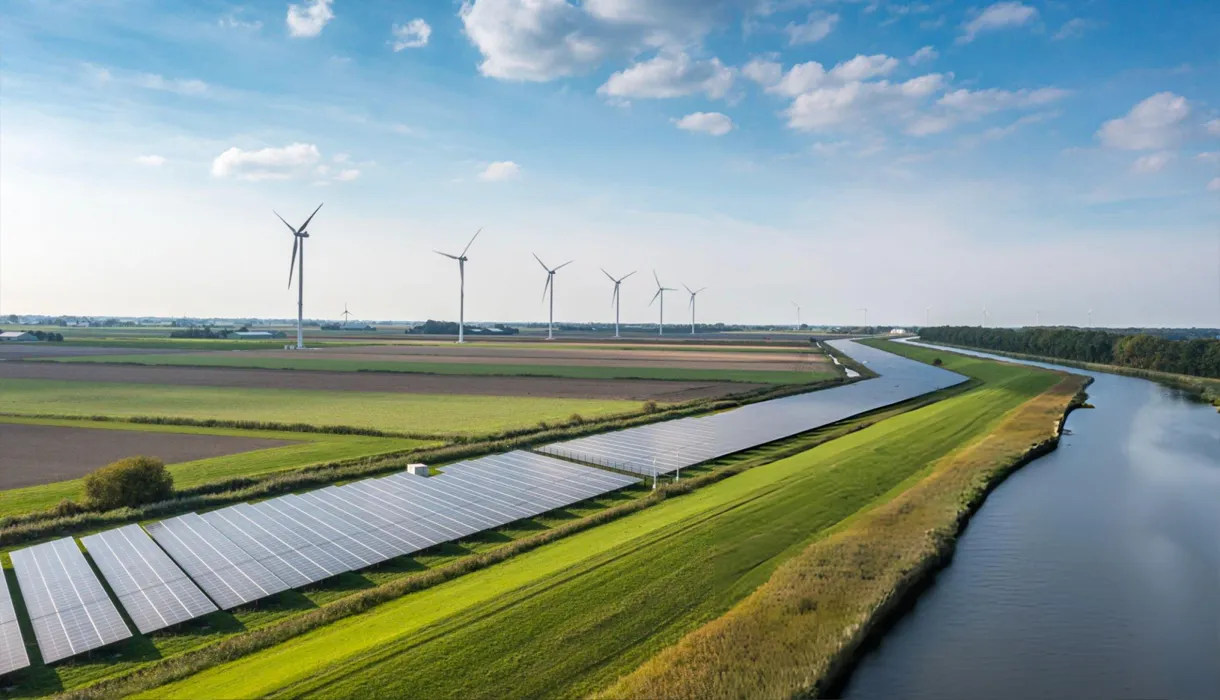
One of the most important aspects of the Urban Corridor is its smart energy and environmental management system. 500 MW of renewable energy sources, smart grid networks, independent microgrids, as well as more than 200 environmental monitoring stations will take the region's environmental sustainability to a new level.
This is not just about energy efficiency or air quality – it is an effort by the entire region to create a sustainable living space for future generations.
At the heart of innovation – digital cities
The project will create a Digital Twin for each city. Using this technology, urban development will be tested in a virtual environment: traffic flows, population movements, emergency situations, the impact of new construction, etc. will be modeled in advance.
In addition, a single city data center will optimize energy, transportation, and security systems using artificial intelligence across the region.
2024–2030: Successive changes
The project is implemented in three phases:
- 2024–2026– basic infrastructure: high-speed rail, smart energy grid, digital city models.
- 2027–2028– implementation of water, ecology and AI management systems.
- 2029–2030– full integration of regional systems, international standards, sustainable management model.
During this process, more than 15,000 new jobs will be created and the quality of services for the regional population will significantly increase.
Economic stimulus and new opportunities
The $750 million investment will provide a strong boost not only to infrastructure, but also to the regional economy. Upon completion of the project:
- 15% increase in GDP,
- additional $2 billion investment,
- Over 500 new businessesand startups,
- 25% increase in exports
is expected.
This is not only a new stage in the development of cities, but also in the entire regional economic cooperation.
International cooperation - the union of major players
The scale of the project requires its implementation with global partners. The World Bank, the Asian Development Bank, the European Investment Bank, and a number of sovereign wealth funds will strengthen the financial foundation.
Leading technology companies such as Siemens, Cisco, IBM, and MIT provide scientific and technical cooperation.
Conclusion: A new urban future for Central Asia
The Central Asia Urban Development Corridor is shaping up to be one of the region's most important urban initiatives of the 21st century. This project aims to change not just the appearance of cities, but the entire region's way of thinking, lifestyle, economic model, and attitude to the future.
If this initiative is implemented, Central Asia could become not only a geographical center, but also one of the global centers of urban innovation in the coming years.