

Tashkent city has been rapidly undergoing digital transformation in recent years, aiming to improve the quality of life of its residents through the introduction of modern technologies. The “Smart Tashkent” project is a comprehensive digital transformation model that integrates management, transport, energy, ecology and citizen services into a single ecosystem, the implementation of which aims to bring the capital among the most innovative cities in the region. The project was developed by GSC-Alliance based on international standards and best practices.
1. Intelligent Management Platform: Unified City Operation Center
The central element of the project is the City Operations Center (SOC), which will be located in the center of New Uzbekistan and will allow managing the entire city infrastructure on a single platform. The center will be equipped with modern technical equipment: a 12x4 meter 16K video wall, 50 workstations, IBM Cloud bare metal servers, and Cisco network infrastructure.
The main tasks of the SOC are to monitor processes in the city in real time, respond quickly to emergencies, optimize resources, and make strategic decisions based on data.
Data PlatformBuilt on a Data Lake architecture (200 TB) and Apache Kafka–Spark technologies, it continuously collects data from more than 15 city departments, the transportation system, IoT sensors, and weather stations, creating previously unavailable analytical capabilities for city management.
2. Intelligent Transportation System: Smart Mobility Ecosystem
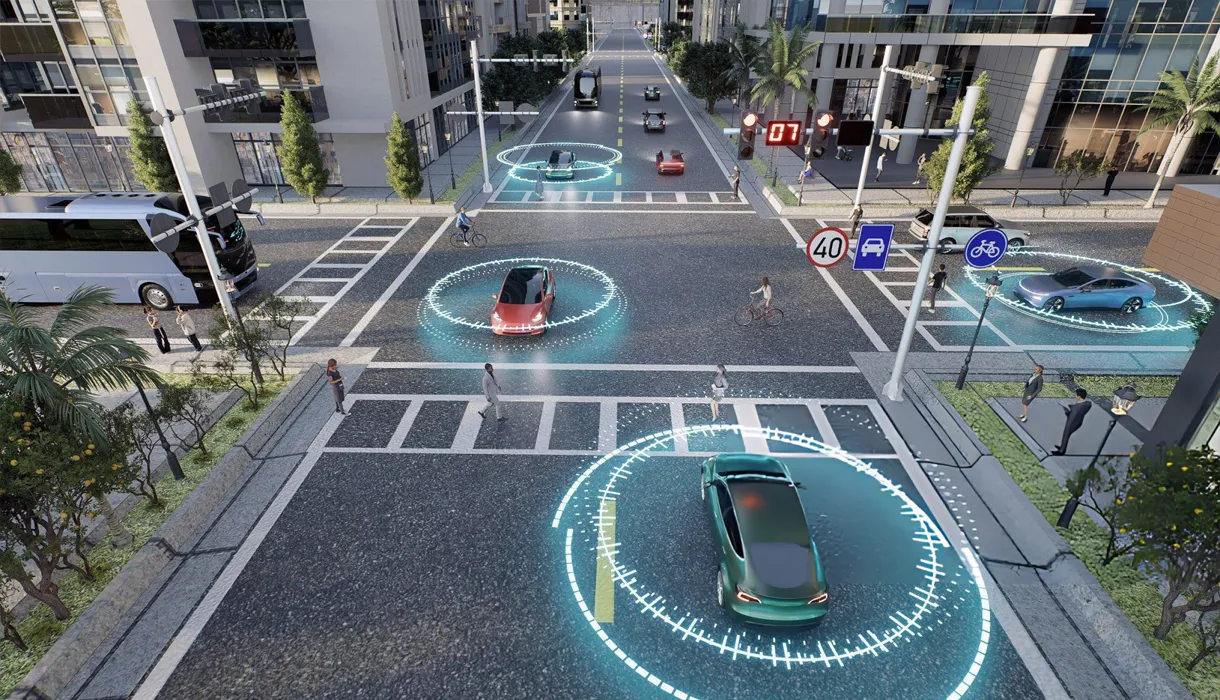
Urban transport is one of the most important areas of transformation. The transport block of the project involves the creation of a monitoring center covering more than 4,000 public transport vehicles. GPS/GLONASS technology, 4G/5G communication tools and IoT sensors will allow real-time monitoring of indicators such as traffic, fuel consumption, and technical condition.
Smart Traffic Light SystemInstalled at 1,200 strategic intersections, they will automatically manage their cycles according to traffic flow. A “green wave” function will be introduced for emergency services, significantly reducing the arrival time of emergency vehicles.
Smart ParkingThe ecosystem will consist of 1,500 above-ground and 500 multi-storey automated parking spaces, integrated with ultrasonic sensors, license plate recognition and mobile payment systems, which will reduce traffic congestion and make efficient use of space in the city center.
3. Smart Energy: Smart Grid and Transition to New Sources
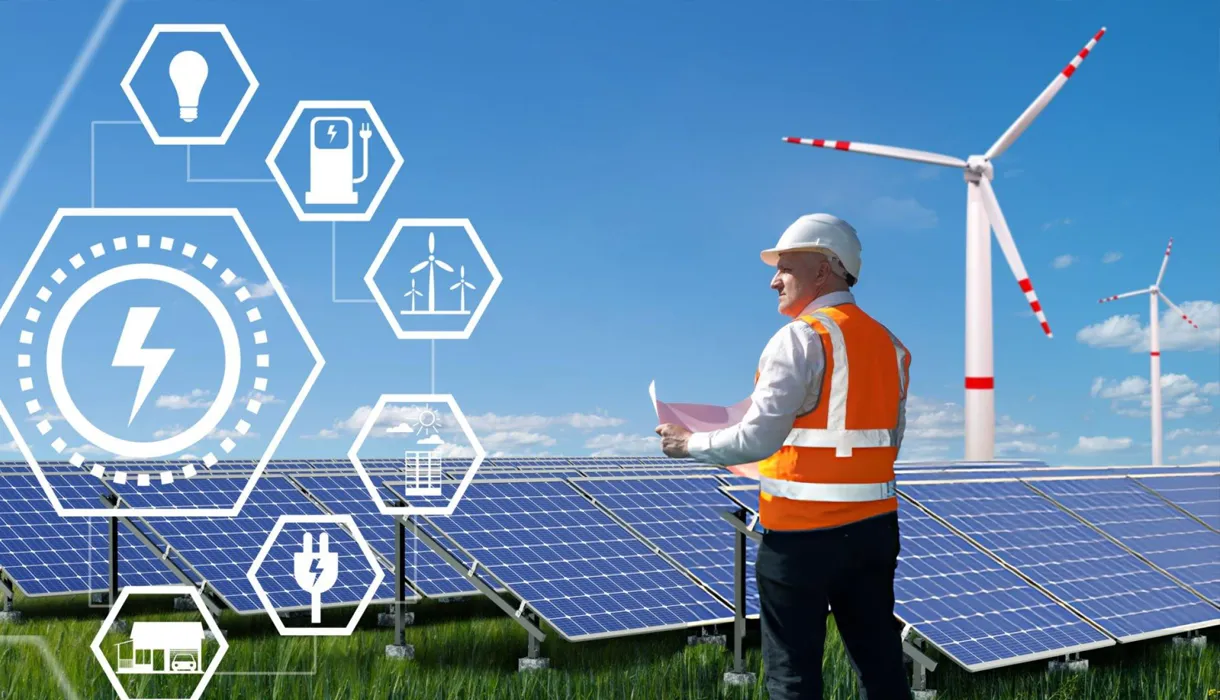
The transformation of the energy system is being implemented through Smart Grid infrastructure. 50 smart transformer substations, 10,000 smart electricity meters, and 200 km of optical cable allow for real-time energy consumption management and automatic detection of power outages or faults.
The renewable energy component of the project will install solar panels on the roofs of more than 100 government buildings, generating 50 MW of power. Wind generators and biogas plants will also increase the city's energy sustainability.
4. Ecological Monitoring: Healthy Urban Ecosystem
Environmental sustainability is one of the main priorities of "Smart Tashkent". 50 stationary and 200 mobile air quality sensors continuously monitor indicators such as PM2.5, NO2, CO. Data is transmitted to the SOC in real time, and warnings are sent to the population in case of dangerous situations.
The smart waste management system also consists of 5,000 sensor bins, 200 smart collection machines, and 10 recycling plants, optimizing waste collection, classification, and recycling processes in a dynamic manner.
5. Citizen Services: Digital Governance and Mobile Platforms
The project is built on the Mobile First principle to provide convenient services to the population. Mobile applications will allow access to transport schedules, payments, fines, applications, emergency alerts and other services. The application works in iOS, Android, Telegram bot and USSD formats.
The "Digital Khokimlik" system will provide more than 50 government services fully online, introducing electronic document management, video consultations, and online payments.
6. Technological Infrastructure: 5G and Data Center
The mainstay of the digital transformation is the city's network infrastructure. The project plans to install 200 5G base stations with 95% coverage. Also, 500 km of new fiber optic communication lines will create a 10 Gbps backbone network.
The new Data Center has 200 racks, 5 PB of storage capacity, and a 99.99% uptime guarantee, ensuring the city's digital services are running smoothly. Security is provided through DDoS protection, end-to-end encryption, and disaster recovery mechanisms.
7. Project Phases (2024–2028)
2024 (Pilot)
– Full implementation in Shaykhontohur district – Serving 10,000 residents – 50 smart traffic lights, 200 sensors installed
2025–2026 (Expansion)
– Expansion to 4 main districts – Serving 500,000 residents – Modernization of the transport system – 80% digitalization of services
2027–2028 (Full Coverage)
– Full coverage of the entire city – Serving 2.5 million residents – AI-based management – Full compliance with international smart city standards
8. Investment Analysis
Capital expenditures total $150 million, with the main areas being technology infrastructure, IoT devices, software, and consulting services. Annual operating expenses are $8.5 million.
The project will provide economic benefits:– travel time reduction: $15M/year– energy savings: $8M/year– operational savings: $6M/year– new revenues: $5M/year
9. Risks and Their Management
The project has technological, financial, operational, and legal risks. To mitigate them, systematic measures will be taken to implement modular architecture, phased financing, staff training, and compliance with international standards.
Conclusion
The Smart Tashkent project is not only a digitalization program, but also a strategic ecosystem that defines the future development concept of the capital. It will make city governance transparent, transport efficient, ecologically sustainable, and citizen services convenient. Upon completion of the project, Tashkent is expected to become one of the leading smart cities in Eurasia.